
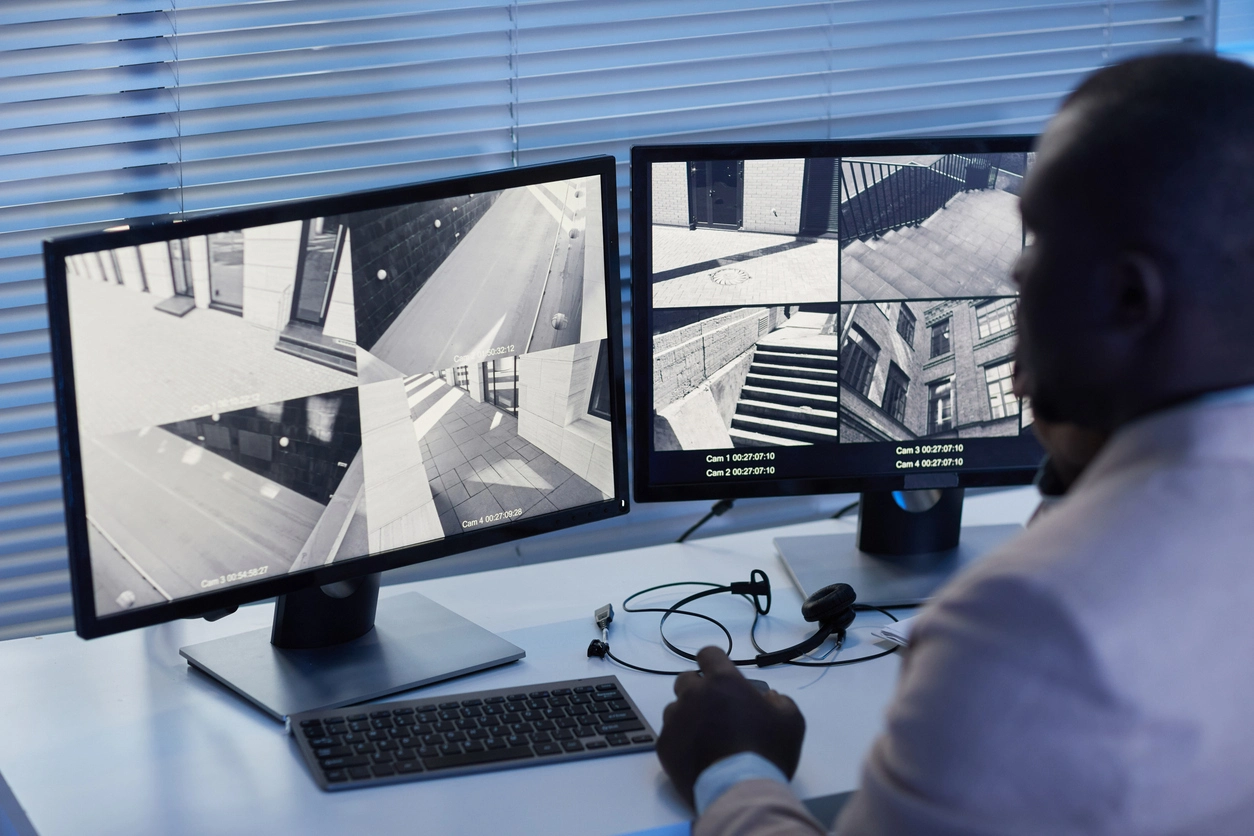
Traditional CCTV Use Cases
Some businesses still prefer CCTV-style systems for environments where local-only viewing and stronger on-site privacy are the main priorities.
CCTV vs IP Cameras for Business Surveillance
Camera Security Now helps businesses compare CCTV camera systems and IP camera systems based on privacy, remote access, PTZ capability, software features, upgrade paths, and the real surveillance needs of the site.
Businesses comparing CCTV and IP cameras are usually trying to answer a practical question: what type of system best fits the building, the privacy requirements, the viewing needs, and the long-term goals of the organization?
For some businesses, a more traditional CCTV-style approach is attractive because of local-only viewing and stronger privacy control. For others, IP camera systems are the better fit because they support remote viewing, broader software functionality, and more modern surveillance workflows.
Camera Security Now helps buyers compare these options in a way that reflects real commercial needs, including upgrades, PTZ use, local-only privacy concerns, remote access, and long-term support.
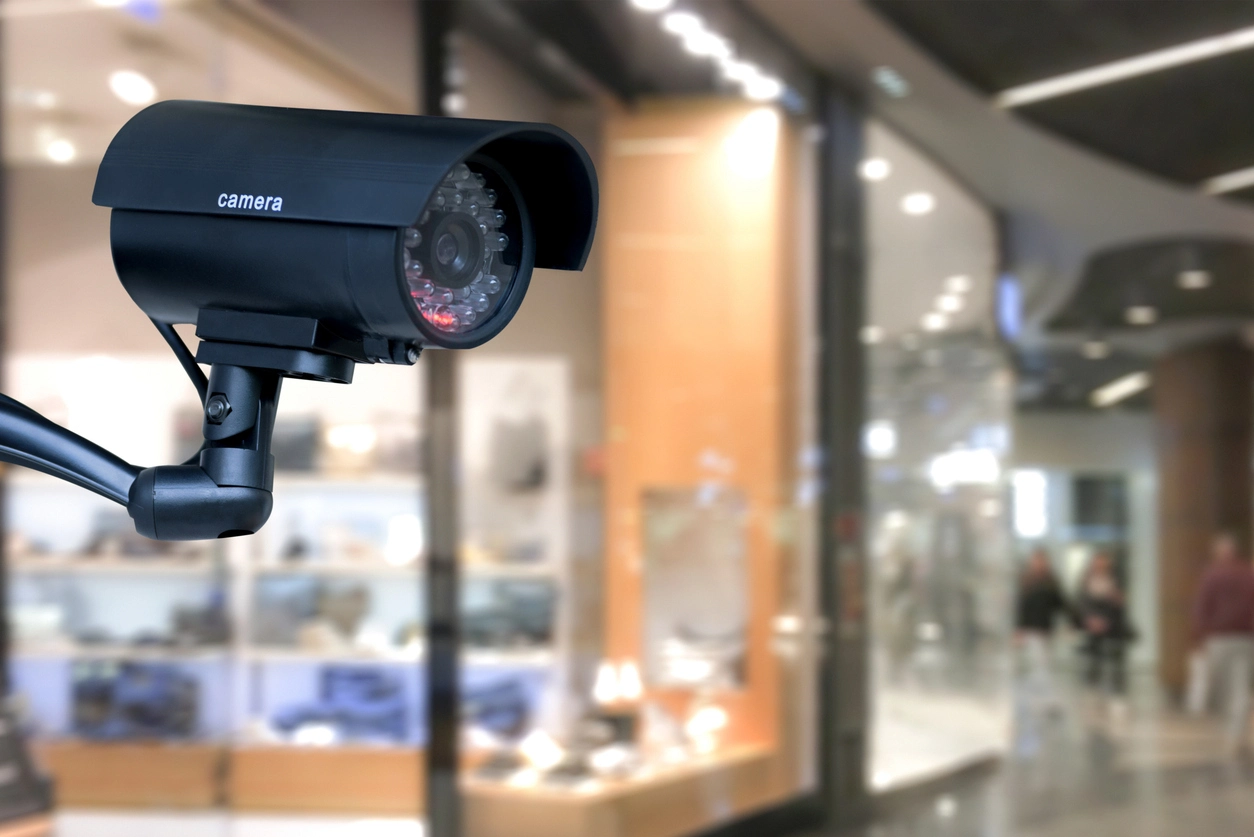
The real decision is not just analog versus digital. It is about privacy, flexibility, remote access, and which surveillance approach best fits the site.
Some businesses prefer surveillance that stays local and is not intended for off-site viewing.
Other businesses want live and recorded video available from offsite devices and management locations.
PTZ control, software tools, and more modern camera workflows often push buyers toward IP-based options.
A useful comparison should help your business think through system fit, viewing needs, privacy expectations, and the long-term support path instead of focusing only on technology labels.
Some businesses still prefer CCTV-style systems for environments where local-only viewing and stronger on-site privacy are the main priorities.
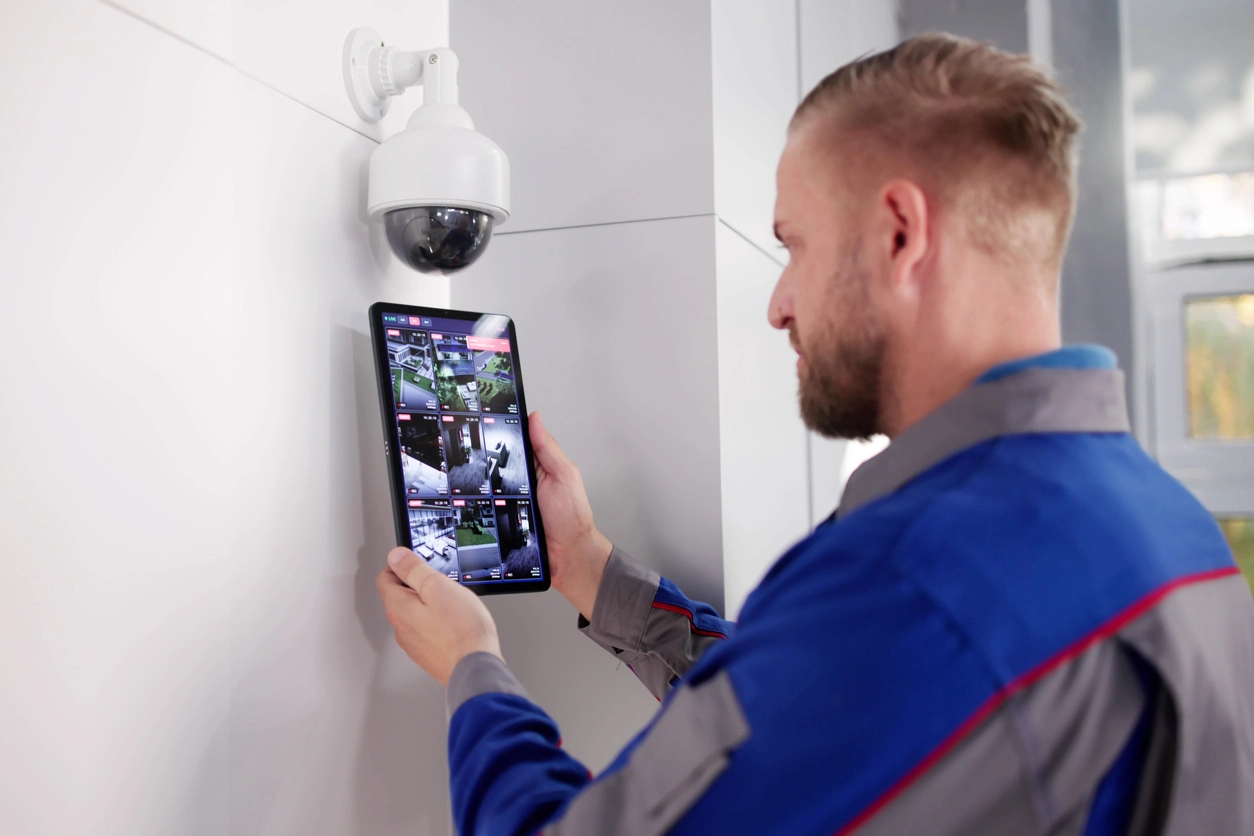
IP systems can support remote viewing from computers, phones, and tablets when the recorder and viewing device are connected appropriately.
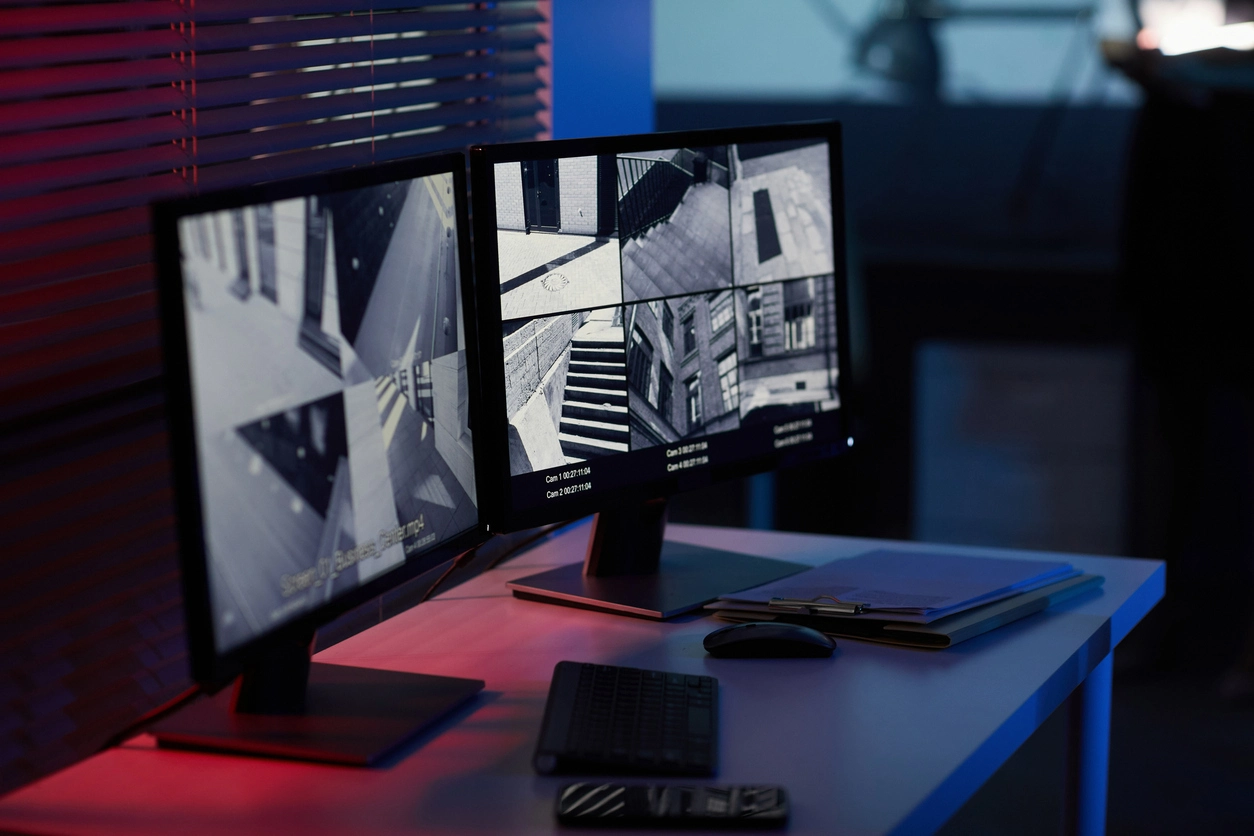
An IP system can also be used in a more private, local-only way when off-site viewing is not desired, giving some businesses more flexibility.
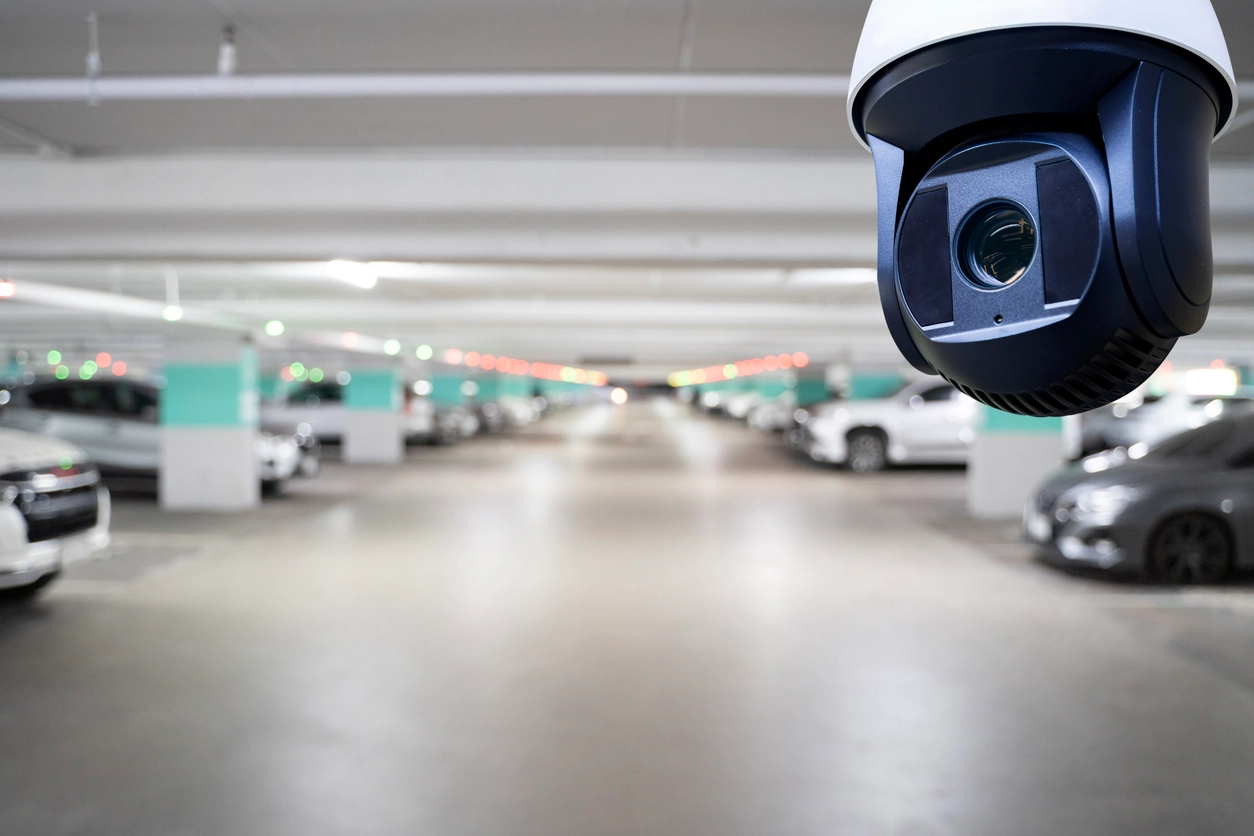
IP camera systems often support features such as remote PTZ control, broader software functionality, and more advanced business surveillance workflows.
Some businesses compare CCTV and IP when deciding whether to keep a legacy-style approach, repair an older system, or move toward a modern digital deployment.

System choice is often easier when buyers can compare the fit of CCTV, coax-based, and IP options against the realities of their building and operations.
CCTV versus IP is usually not a one-size-fits-all question.
Share whether you are comparing new systems, upgrading an older setup, or trying to solve a specific surveillance need.
We help you think through CCTV privacy priorities, IP remote viewing, PTZ needs, feature requirements, and long-term support.
You get a clearer path forward instead of guessing through a CCTV-versus-IP decision.
When ready, we help align the project toward implementation, repair, or a more modern business surveillance rollout.
CCTV-versus-IP comparison is most useful for business buyers trying to match system architecture to real operational needs.
Some organizations prefer a surveillance setup that stays local and minimizes off-site exposure.
Other organizations prioritize remote access so owners and managers can view live or recorded video from offsite locations.
Many buyers are deciding whether to keep or repair older-style systems or move toward a more flexible IP deployment.
Some commercial properties compare IP systems because of software integrations, PTZ control, or broader digital functionality.
Some businesses need guidance on how new camera platforms fit with current equipment, future expansion, and support needs.
Buyers often need help matching the right surveillance architecture to their site instead of simply choosing based on buzzwords.
The right surveillance choice depends on the building, the viewing requirement, the privacy goal, and the long-term direction of the system.
Businesses comparing CCTV and IP cameras should start with how the system will actually be used. Some sites need a simple local viewing setup. Others need remote access, mobile viewing, PTZ control, software tools, or a clearer upgrade path from older camera equipment.
A privacy-focused business may want cameras and recording to stay local. A multi-location business may need owners, managers, or operations teams to review video remotely. A facility with an older system may need help deciding whether service, repair, hybrid replacement, or a full IP upgrade makes the most sense.
Camera Security Now helps businesses compare CCTV and IP camera systems based on real-world operational needs instead of forcing every project into the same technology answer.
Buyers comparing CCTV and IP systems often continue into these related business-security topics.
Learn how pan-tilt-zoom cameras fit into business surveillance planning.
Explore PTZ Cameras →Explore a platform often compared when buyers want software functionality and IP camera flexibility.
Explore Geovision →Learn more about support for new deployments, existing-system service, and commercial installation planning.
Explore Installation →Common questions from businesses comparing CCTV cameras and IP camera systems.
CCTV is often used to describe more traditional closed-circuit or locally viewed surveillance systems, while IP cameras are digital network-based cameras that can support broader remote access and software functionality.
Not always in every situation. Some businesses prefer CCTV-style privacy and local-only viewing, while others need the flexibility, remote access, and features that IP camera systems can provide.
Yes. Some businesses use IP systems in a more private local-only configuration when they do not want the system exposed for off-site viewing.
Many do. Remote viewing is one of the reasons buyers often compare IP systems for business surveillance.
Yes. Some businesses need service or support for legacy-style systems, while others are ready to move toward a more modern IP camera deployment.
Tell us about your site, your privacy requirements, your remote viewing goals, and whether you are upgrading an older system or planning something new. We’ll help you move toward the right business surveillance approach.