
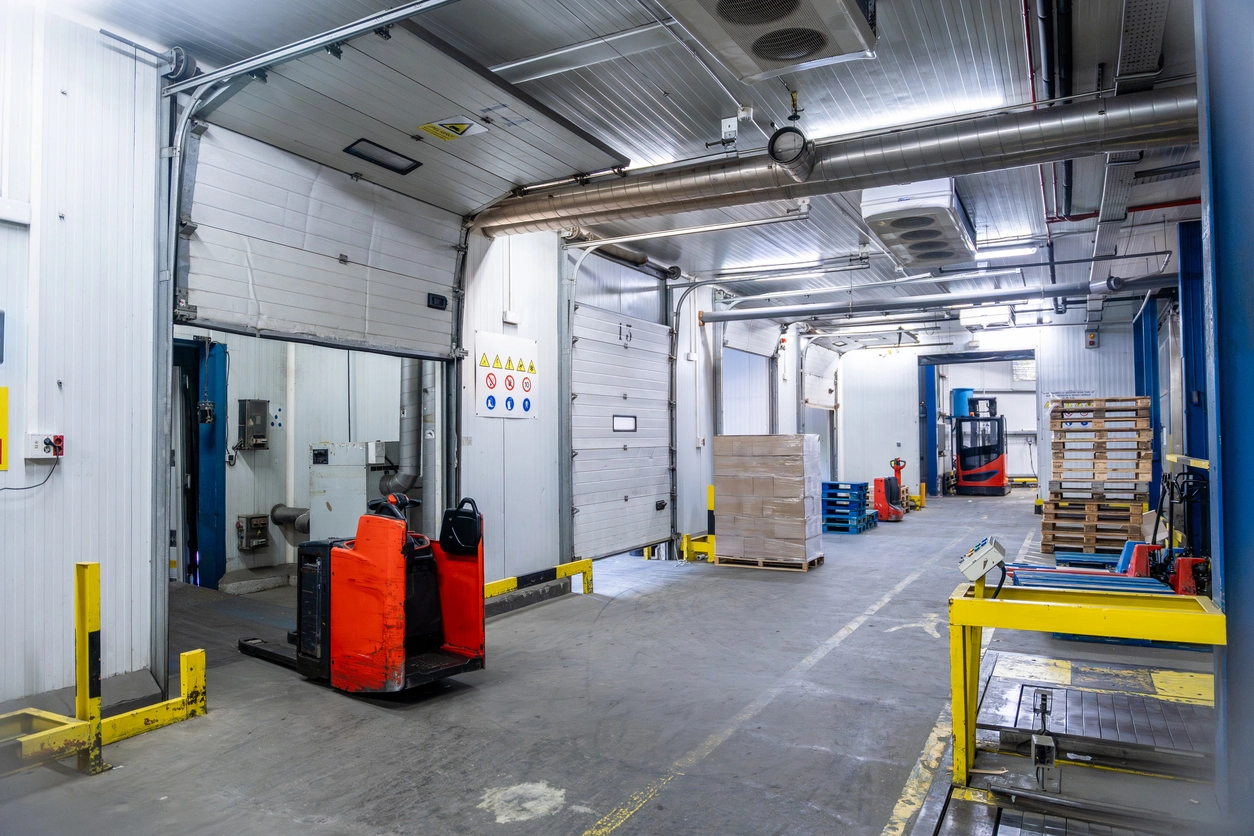
Production Line Visibility
Rubber factories often need broader visibility across production lines, mixing areas, press operations, curing environments, and active manufacturing zones.
Rubber Factory Security Cameras & Industrial Production Visibility
Camera Security Now helps rubber factories evaluate security camera systems for production lines, machinery visibility, safety review, material areas, restricted zones, and broader industrial plant oversight.
Rubber factories often need surveillance because they combine active production lines, equipment-heavy workflows, raw materials, staff-only industrial spaces, and process conditions that require stronger operational visibility.
Rubber production environments can involve specialized machinery, material handling, mixing, curing, press operations, storage areas, and safety-sensitive work zones. Those conditions make camera placement and review goals different from a generic industrial layout.
Camera Security Now helps rubber factory buyers evaluate surveillance systems that fit the real operating flow of the facility, from production and machinery areas to restricted spaces and remote oversight needs.
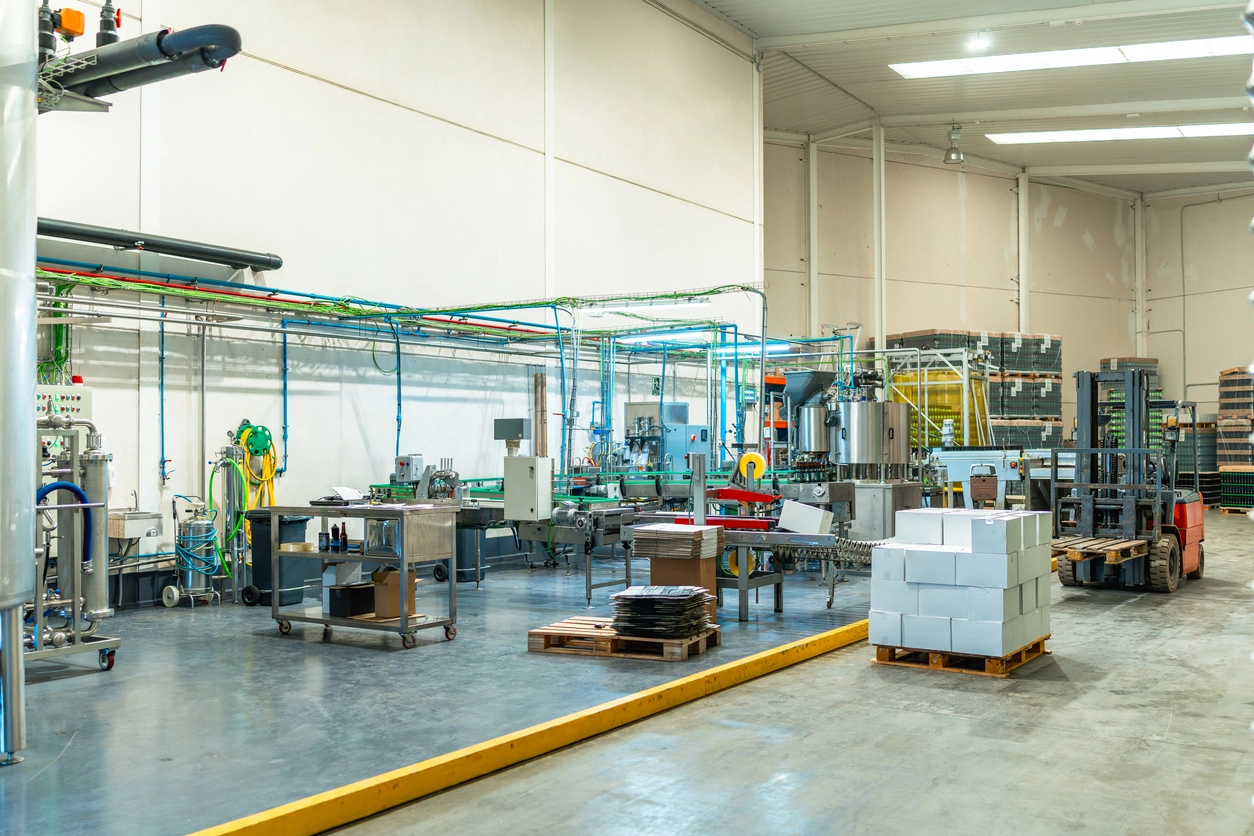
Rubber factory surveillance projects often center on production visibility, machinery review, safety awareness, and stronger control of industrial work zones.
Plants often want broader coverage across the active zones where rubber production happens.
Equipment-heavy environments often place extra value on machine-area monitoring and reviewable footage.
Facilities often need tighter visibility around high-risk or staff-only industrial areas.
Rubber factory surveillance works best when the system reflects the actual production process, machine layout, and visibility needs of the plant.
Rubber factories often need broader visibility across production lines, mixing areas, press operations, curing environments, and active manufacturing zones.
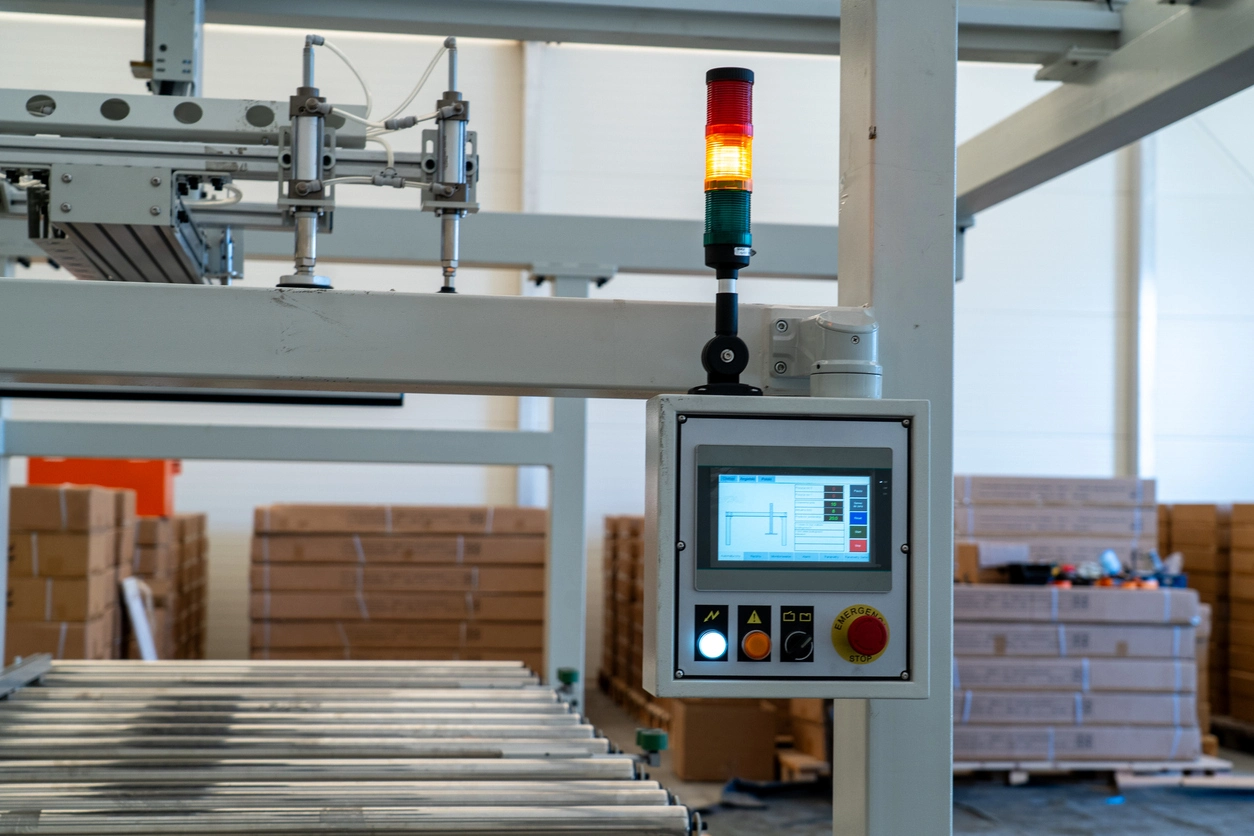
Cameras can help provide stronger visibility around equipment-heavy areas where process review, maintenance awareness, and incident documentation matter.
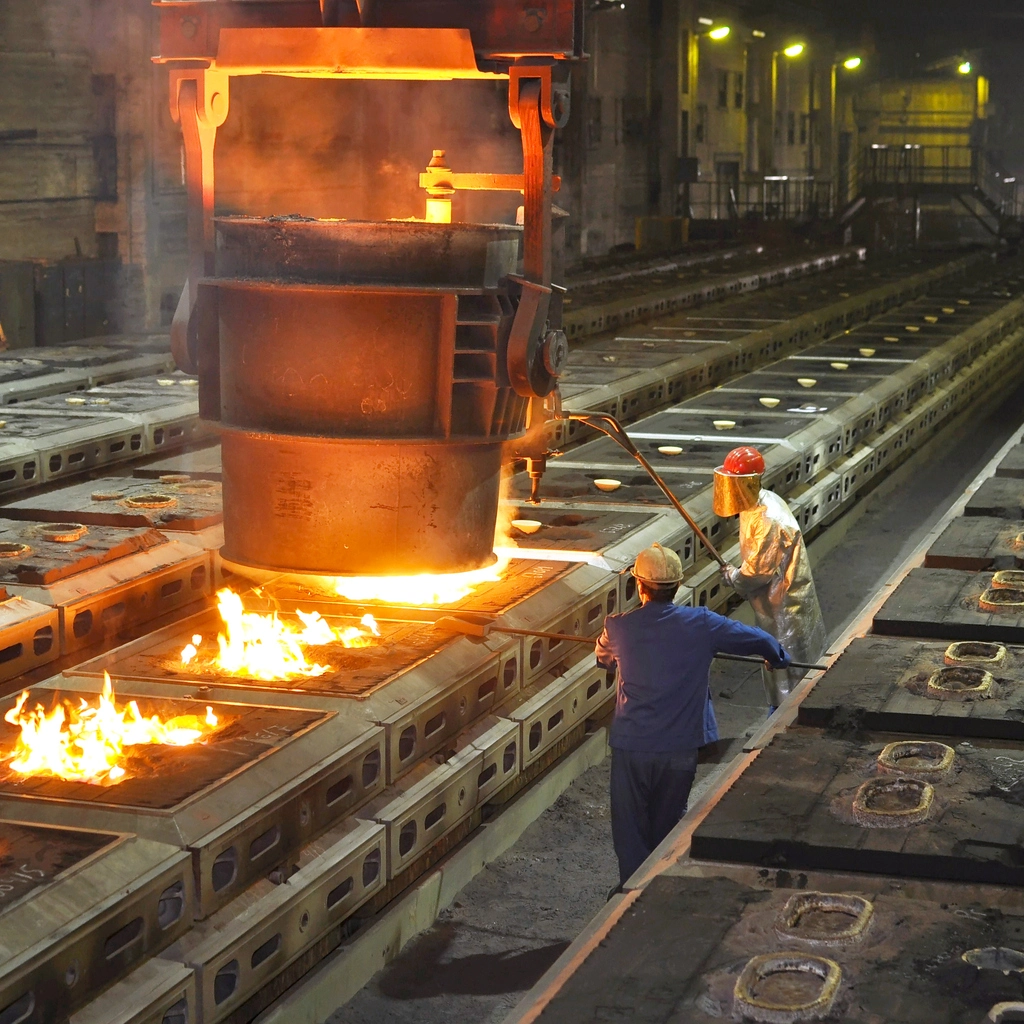
Recorded video can help support safety reviews, procedure verification, near-miss analysis, and broader awareness around industrial workflows.
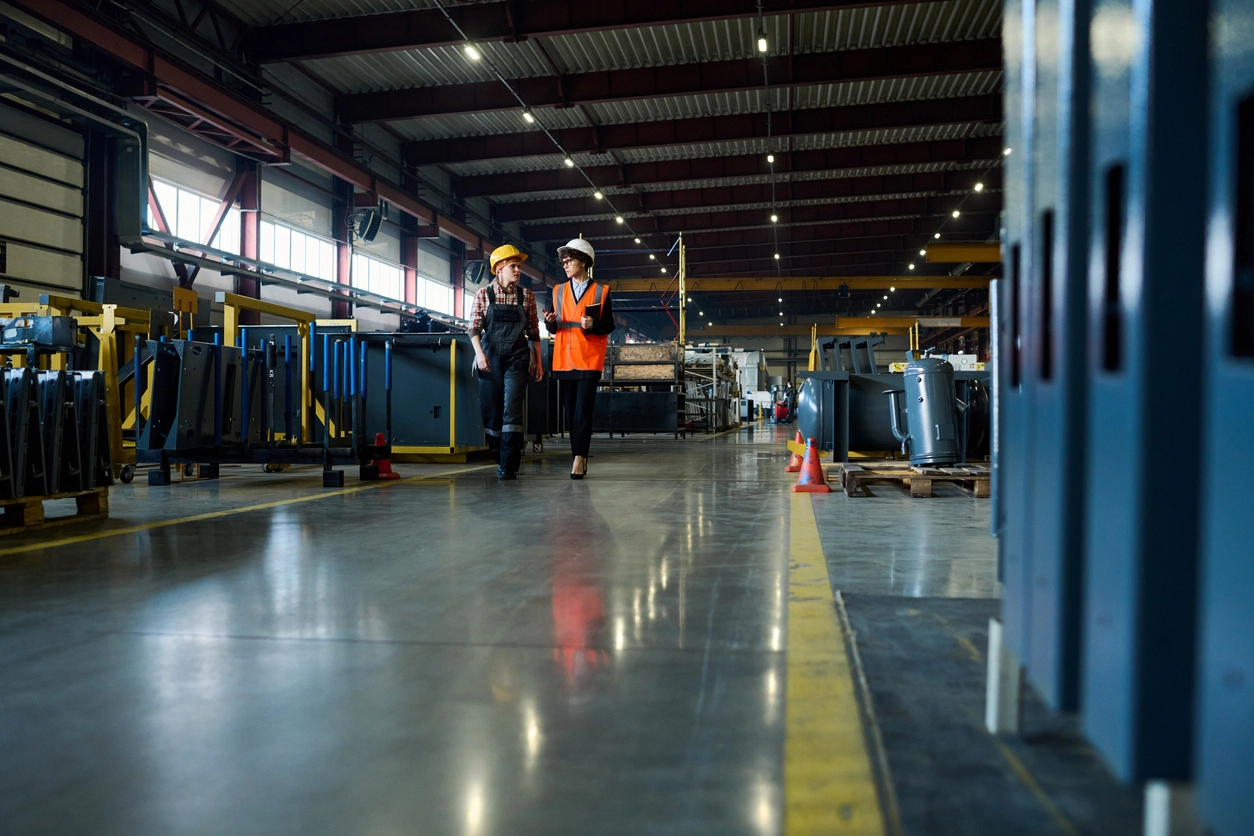
Factories often want stronger visibility around raw material staging, ingredient storage, finished goods, and movement between operational zones.
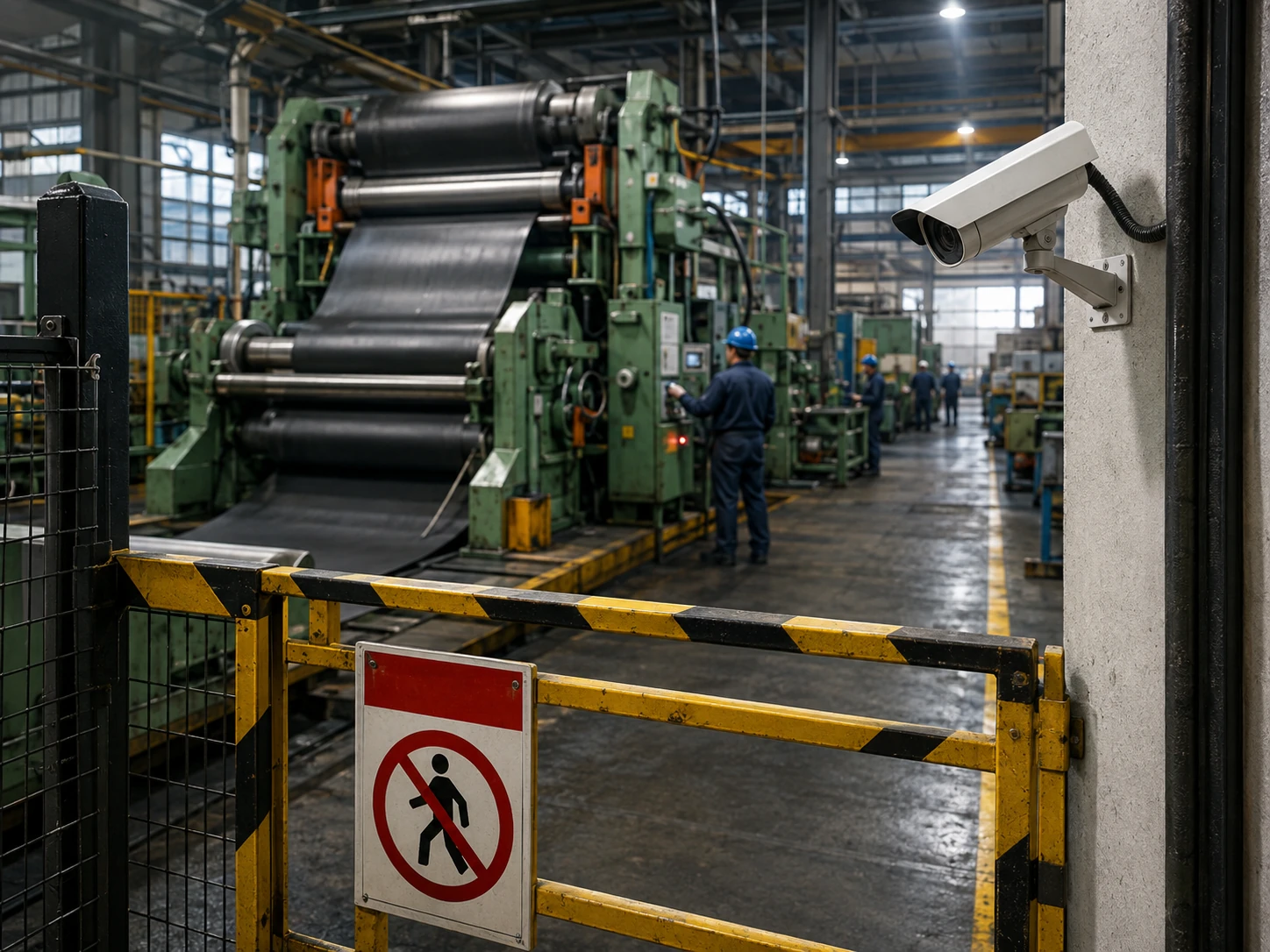
Some facilities need stronger monitoring around staff-only spaces, utility rooms, maintenance areas, and controlled interior industrial zones.
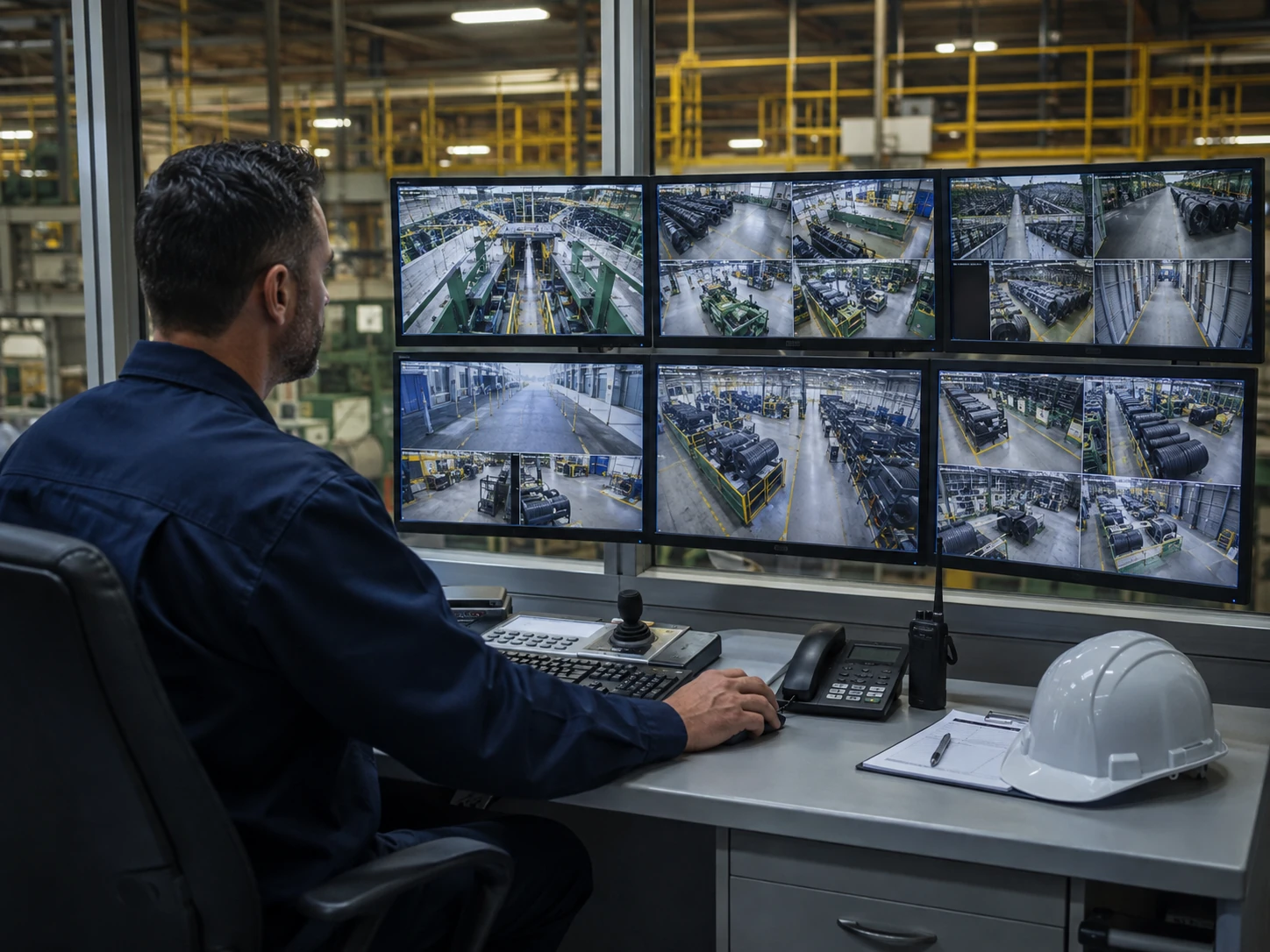
Remote viewing can help plant managers and owners maintain better visibility across production and support areas without always being on the floor.
Rubber factory camera projects often require more planning than a basic plant-wide perimeter approach.
Share the layout, the areas that matter most, and the operational concerns you are trying to address.
We help you think through production areas, machinery, material zones, safety review needs, and remote visibility priorities.
You get a clearer path forward instead of guessing through a rubber factory surveillance project.
When ready, we help align the project toward implementation and long-term industrial visibility planning.
Rubber factory surveillance is most relevant where equipment visibility, process awareness, and industrial accountability shape the environment.
Rubber plants often need stronger visibility across production lines, machinery zones, and process-heavy work areas.
Equipment-heavy facilities often place extra value on machine-area visibility and reviewable video.
Some factories use surveillance to support safety culture, incident review, and stronger operational accountability.
Staff-only and controlled industrial areas often require tighter visibility than a general warehouse layout would provide.
Some rubber manufacturers need one-site coverage, while others want more consistent visibility planning across multiple facilities.
Some plants place extra value on video when reviewing repeated workflows, troubleshooting patterns, or operational interruptions.
Rubber factory surveillance works best when the system reflects the actual machines, workflows, and operational priorities of the plant.
A rubber factory does not have the same surveillance priorities as a general office, retail property, or self storage facility. Rubber factory surveillance is more likely to center on production lines, machinery visibility, process review, raw material movement, restricted industrial spaces, and broader plant accountability.
For plant managers, operations leaders, safety teams, and facility owners, the right camera system should be planned around how rubber production actually happens. Mixing areas, press operations, curing areas, machine zones, raw material staging, finished goods, utility rooms, and exterior approaches may all need different visibility and review considerations.
Camera Security Now helps rubber factories evaluate surveillance systems for production lines, machine zones, safety review, restricted areas, remote viewing, and broader industrial security planning.
Common questions from rubber factory buyers evaluating security cameras and industrial surveillance.
Many rubber factory camera projects focus on production lines, machinery zones, raw material areas, entrances, restricted spaces, and exterior approaches. The right layout depends on the plant design and the operational priorities of the facility.
Yes. Recorded video can help support incident review, near-miss analysis, procedure verification, and broader operational awareness.
Rubber factory surveillance is more tightly focused on the workflows, machinery, material handling, and process conditions specific to rubber production environments.
Yes. Many systems support remote viewing for managers and owners when appropriate.
Yes. Equipment-heavy work areas are often among the most important zones to monitor in a rubber manufacturing environment.
Tell us about your plant, your machine areas, and the visibility goals you are trying to achieve. We’ll help you move toward the right rubber factory camera solution.