
Ubiquiti and Dell Infrastructure
Network and compute platforms commonly used alongside compliant cameras — Ubiquiti for networking, Dell for NVR hosts and retention storage — selected for environments that need documented IT posture.
NDAA Section 889 & FCC Covered List
Camera Security Now helps businesses, schools, government contractors, and facilities evaluate NDAA-aligned camera and recording platforms — and plan practical transitions when existing Hikvision or Dahua equipment becomes hard to expand or replace through compliant channels.
NDAA Section 889 and the FCC Covered List restrict certain video surveillance manufacturers — most notably Hikvision, Dahua, and their affiliates — for federal agencies, many contractors, and grant- or loan-funded projects. FCC equipment-authorization rules have also made new models increasingly difficult to import or market legally in the U.S.
For most private businesses, legally installed legacy systems can continue operating. The hard part is expanding, replacing failed units, or buying new components through authorized distribution after late-2025 and early-2026 enforcement tightened retail availability.
Camera Security Now maintains and supports many existing installations while guiding phased moves to Axis, Uniview, GeoVision, and other NDAA-conscious platforms — often reusing existing CAT5/CAT6 PoE cabling so upgrades cost less than a full rip-and-replace.
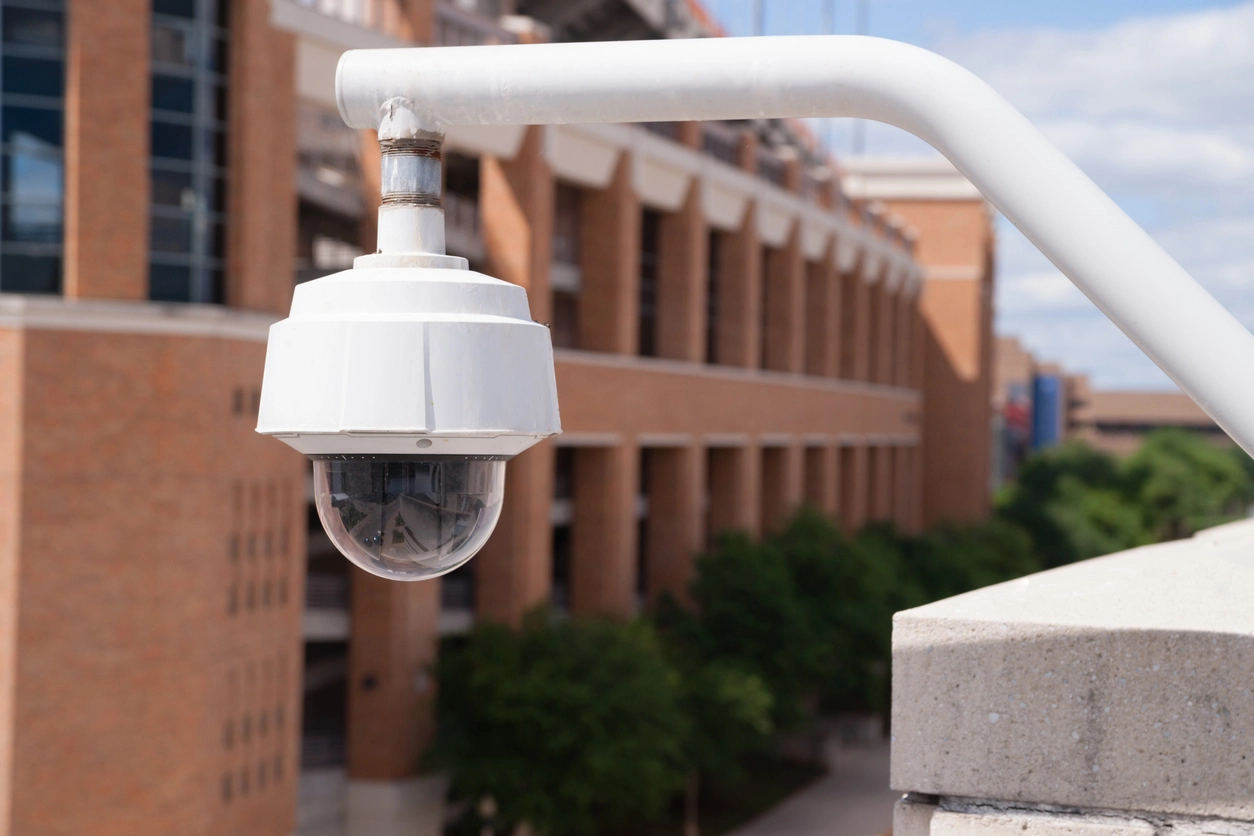
Compliance is both a procurement rule and a cybersecurity posture decision.
Federal contractors, subcontractors, and many grant recipients cannot procure or use covered video surveillance equipment under Section 889.
As official firmware and parts become scarce, cybersecurity exposure and insurance questions grow — even on private networks.
Choosing compliant cameras for new doors and buildings keeps future projects fundable and supportable.
Start with your environment, cybersecurity expectations, and whether you are maintaining a legacy system or building new.
High-assurance cameras and analytics with a strong cybersecurity reputation and clear NDAA positioning, including advanced low-light imaging and integrated access options.
Axis cameras →Business-grade camera platforms with compliant product lines and AI features, scalable for projects that can grow toward large channel counts.
Uniview cameras →PC-based NVRs and Windows-friendly surveillance software for professional deployments; Camera Security Now sells NDAA-compliant GeoVision configurations only.
GeoVision systems →Network and compute platforms commonly used alongside compliant cameras — Ubiquiti for networking, Dell for NVR hosts and retention storage — selected for environments that need documented IT posture.
Existing, legally installed systems can often keep running. We help with audits, hardening, and phased replacement rather than panic rip-outs.
Camera service and repair →Most buyers arrive with a working system and a new constraint — not a blank slate.
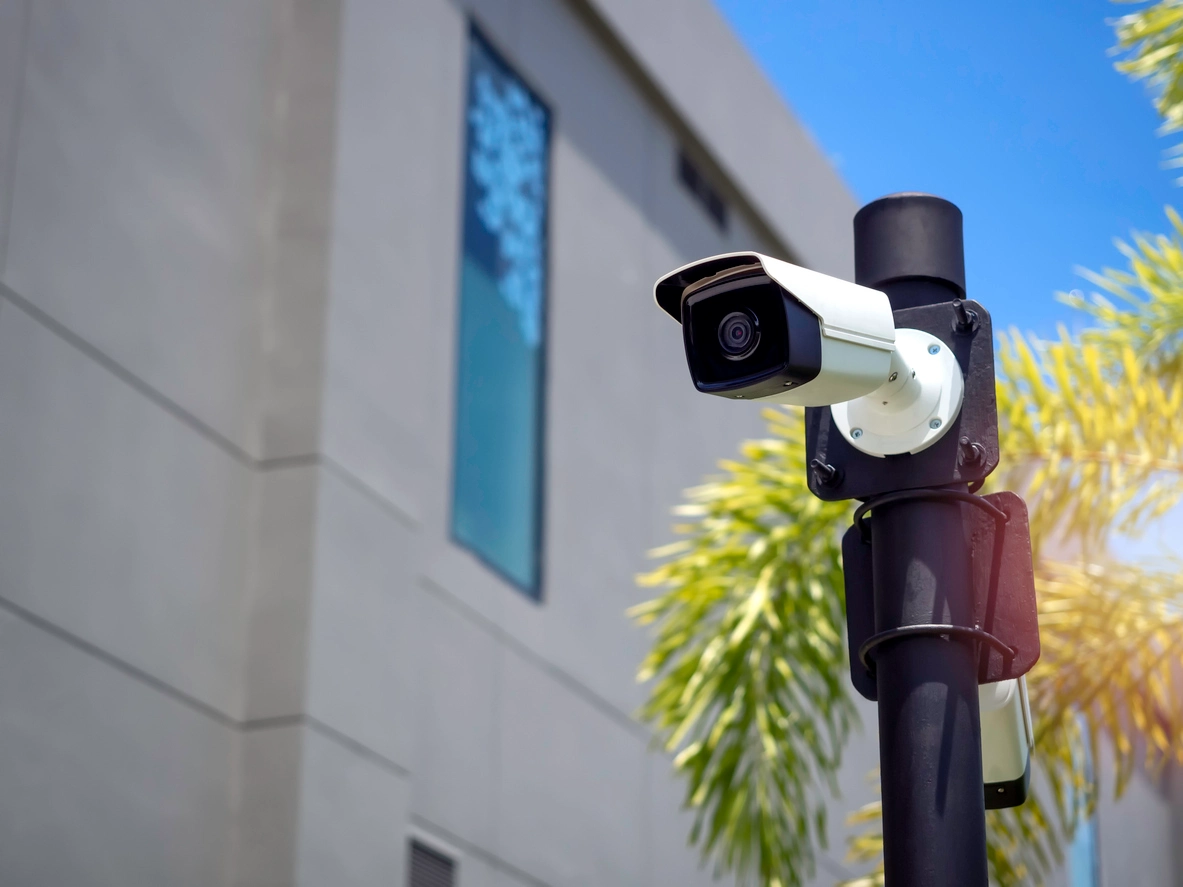
Section 889 can reach procurement and use of covered equipment; plan camera purchases against contract clauses before you buy.
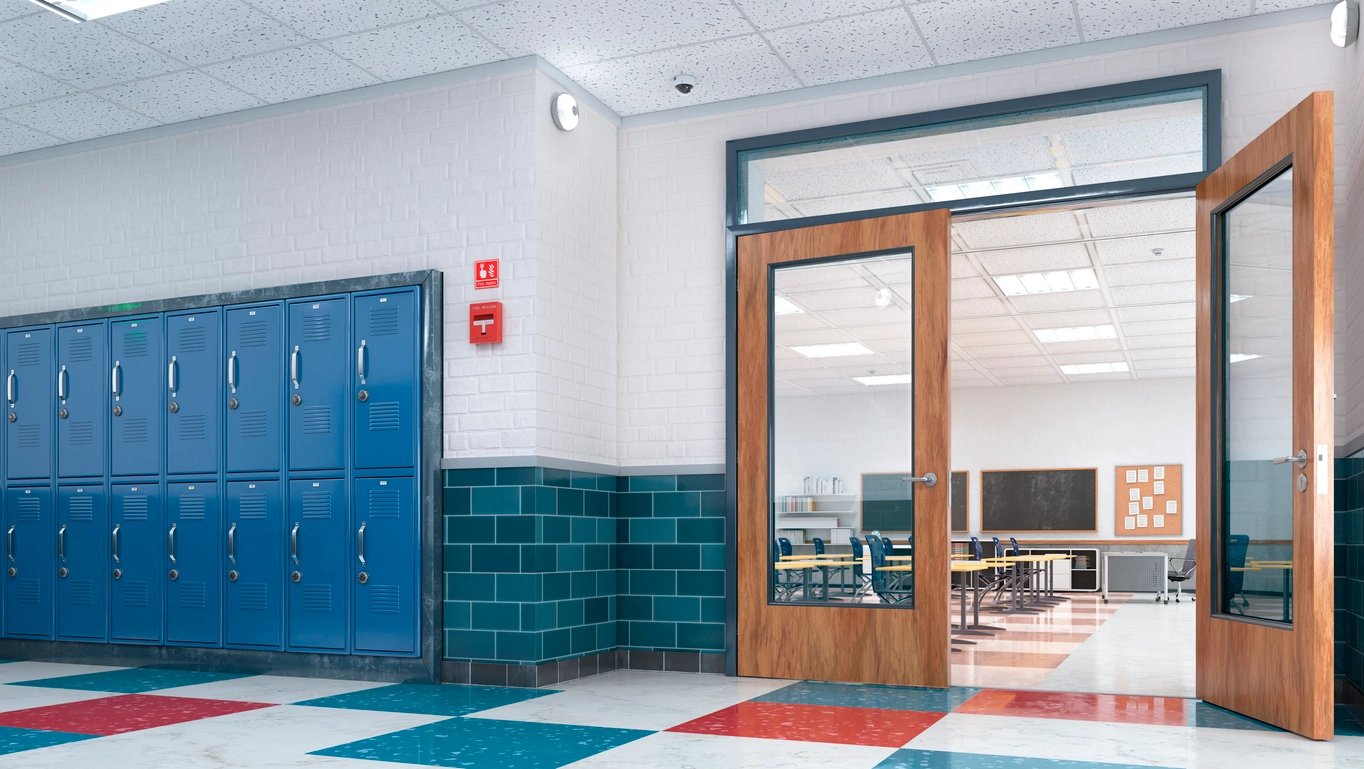
State agency policies and grant programs increasingly expect compliant manufacturers.
School security cameras →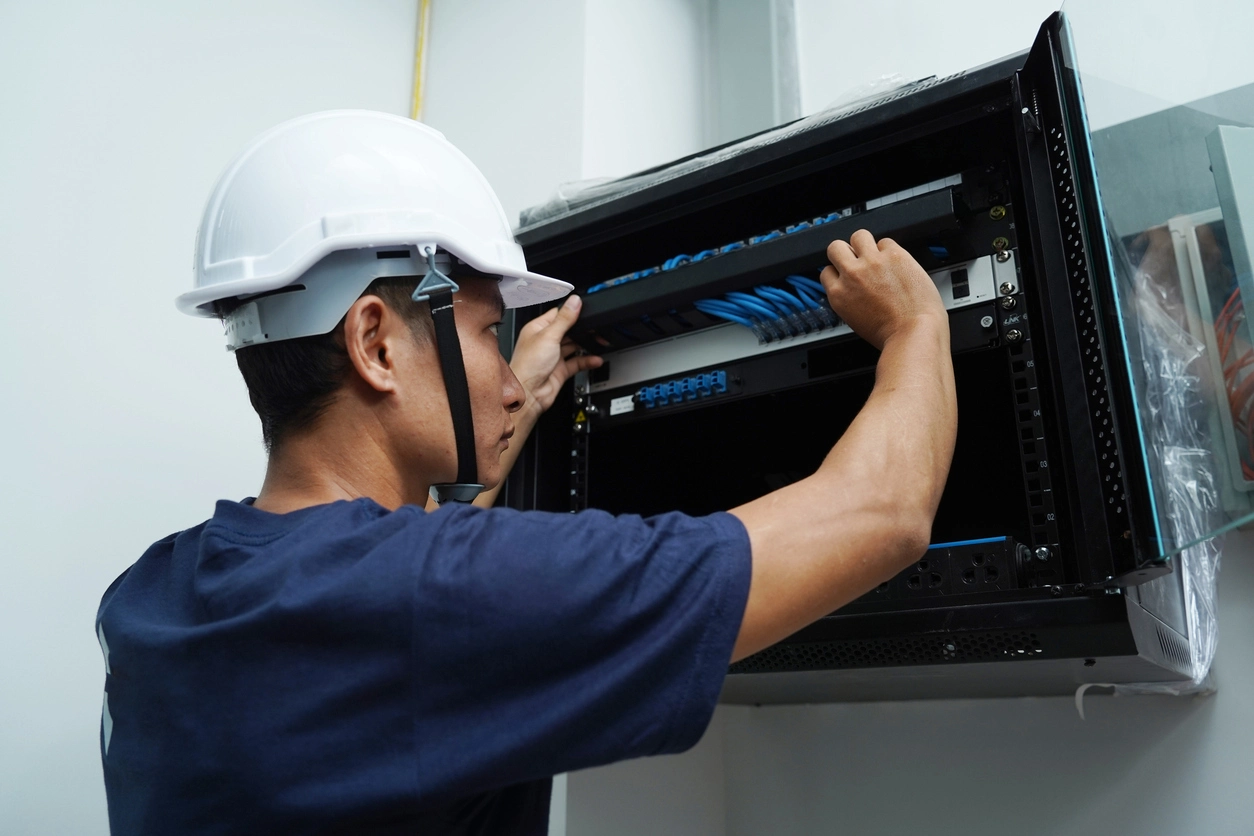
Replace the failed zone with a compliant camera on existing PoE cable instead of hunting gray-market parts.
Camera service →
Keep the old system for now; specify Axis, Uniview, or GeoVision for the new wing so you are not deepening a restricted footprint.

Network segmentation, strong credentials, and a written upgrade roadmap address questions that appear in audits and renewals.
Many sites run mixed brands during a phased swap — critical entrances first, then secondary coverage as budget allows.
System upgrades →NDAA projects are as much inventory and risk planning as product selection.
Share brand mix, site count, and whether Section 889, grant rules, or insurance reviews apply.
We review cybersecurity basics, reuse of cabling, and compliant camera and NVR alternatives.
You see what to keep, what to replace first, and what a full transition would cost.
We support the live system while installing compliant cameras where expansion or failure forces a change.
Anyone buying new video surveillance for regulated work — or anyone stuck when Covered List parts dry up.
Align camera procurement with Section 889 clauses in prime and flow-down contracts.
Government surveillance →Avoid covered equipment when federal financial assistance triggers procurement limits.
Security grants for nonprofits →Specify compliant platforms for new schools and major upgrades.
School surveillance →Reduce supply-chain and cybersecurity questions around clinical and plant security.
Hospital surveillance →Standardize on compliant brands so every new store or warehouse stays on one support path.
Chain stores and franchises →Get a realistic maintain-and-migrate plan before a camera failure becomes an emergency purchase.
Upgrade an older system →Two federal tracks matter most. NDAA Section 889 (phased in 2019–2020) restricts procurement and use of certain telecommunications and video surveillance equipment — including Hikvision and Dahua — by federal agencies and many contractors and funding recipients. Separately, FCC Covered List and Secure Equipment Act authorization rules block or constrain new equipment authorizations, which is why retail listings and authorized supply dried up sharply around late 2025 and early 2026.
These rules generally do not order private businesses to tear out working cameras tomorrow. They do make new purchases, spare parts, and expansions through compliant channels impractical. Several states have adopted parallel restrictions for their own agencies.
Upgrades are often more affordable than expected when Ethernet already exists: structured cabling is frequently the majority of system cost, and compliant IP cameras can reuse it. Camera Security Now has helped organizations plan and install commercial security cameras and access control since 1998, and we treat NDAA alignment as a design requirement — not a sales slogan.
This page is general regulatory and cybersecurity guidance, not legal advice. For official references, see the FCC Covered List and Section 889 policy materials from federal sources.
Common questions from organizations planning compliant camera projects or Hikvision/Dahua transitions.
Usually not for ordinary private businesses. Focus on securing what you have and planning phased replacement, especially if you face federal contract, grant, or state-agency rules.
Yes for many maintenance and support needs. New Hikvision or Dahua equipment for expansions is generally not available through compliant distribution.
Often no. Existing CAT5/CAT6 PoE runs commonly support newer compliant IP cameras, which keeps labor and disruption down.
Common paths include Axis, Uniview compliant lines, and compliant GeoVision configurations, chosen for the site — not a one-brand default. See our brands page for more.
Section 889 limits what federal agencies, contractors, and many funding recipients can buy and use. The FCC Covered List limits which equipment can receive new FCC authorization to be imported and sold in the U.S. Together they restrict both who can buy covered cameras and whether new models are available at all.
No. Confirm obligations with your counsel or contracting officer; we help with the technical inventory, design, and installation plan.
Compare the manufacturers we install and support.
Open →Phase out legacy cameras while reusing what still works.
Open →Mark which cameras to replace first on your floor plan.
Open →Compliant cloud-managed recording for multi-site organizations.
Open →Tell us about your facilities, current camera brands, and any contract or grant requirements. We will help you move toward an audit, a phased upgrade plan, and compliant equipment that reuses infrastructure where it makes sense.
146 N Breiel Blvd, Middletown, OH 45042